Selecting the right grout color for your tile installation is an important step in any renovation project. Tile grout plays a big role in the final look and feel of your tile, and it all comes down to color. Your grout color is just as important as, if not more important than, choosing the tiles.
There are two main ways to pair your grout with your tile:
- You can blend it with the main color of the body of the tile.
- You can select a contrasting grout color.
Both options have pros and cons. Ultimately, it comes down to the look and feel that you want to create for your space.
Pros and Cons of Contrasting Grout Color
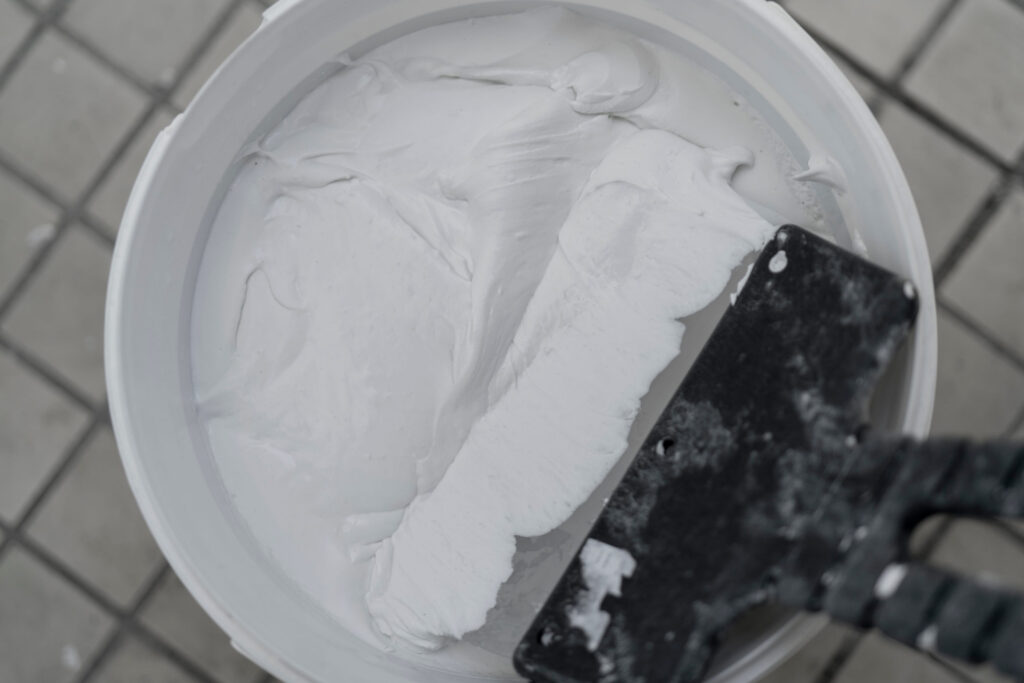
Ways To Choose The Right Grout Color
Contrasting grout is a tile trend that makes your tile stand out. The more contrast, the more the shape of the tile stands out. Using a contrasting grout color is a strong design statement that suits a range of styles, such as industrial.
Pros of Contrasting Grout
- Highlights the pattern and the shape of the tile, making it really stand out.
- Creates a focal point with your tile, making it detailed and graphic.
- Darker grout hides stains and dirt.
Cons of Contrasting Grout
- It is a bolder look, so depending on the pattern of your tile, it can look busy.
- It is a little more trendy and can look dated sooner than a blend grout.
If you want the pattern of the tile to stand out, a darker contrasting color makes the shape pop. Using a black grout with white subway tile makes the rectangular shape of the tile really stand out, making it repetitive and graphic.
Another way to use a contrasting grout color is to use colored grout, such as pewter blue or French vanilla.
A colored grout can be used for white, grey, or even colored tiles, as long as they contrast to make a bold design statement. For colorful mosaic tiles, a soft contrast is best if you want to see the shape and pattern.
Pros and Cons of Blended Grout Color
Most of the time, people look for grouts that complement their tiles to create a uniform, seamless finish. When the grout color matches the tile, the tile shape and pattern is less noticeable. Generally, you match grout as closely as possible to your tile.
Pros of Blended Grout
- Gives a really seamless look, making your space appear larger.
- Creates a calming and serene feeling in your space.
Cons of Blended Grout
- Depending on tile pattern and color, it can end up looking bland.
- An interesting pattern can get lost with grout that blends.
When using a herringbone tile with white grout that matches the tile, the shape of herringbone is less visible. The overall look of the wall becomes more texture than herringbone.
For wood-look tiles, look at the tile and see what kind of highs and lows or contrasting shades you have in there. Pick out one of those tones, like an ash or gray, to incorporate into your grout. Matching the overall body of the tile gives a seamless look and avoids a grid-like look on the floor.
Choosing the Right Type of Grout
There are three different types of grout that go into 99% of all installations. Knowing the type of grout you will use is important, as grout color options change between grout types.
Standard Sanded and Unsanded Grout
Sanded and non-sanded grout mean the same thing, as non-sanded and unsanded are the same. These are basic grouts with very little stain resistance and limited color consistency.
High Performance Cement Grout
High-performance cement grout is the turbocharged version of basic cement grout and can still be sanded or non-sanded. Its chemical composition makes this grout very hard, easier to install, and color-consistent. It performs well for bathroom floors, bathroom walls, kitchen floors, or a foyer.
Epoxy Grout
Epoxy grout is a chemical-based grout that does not have any cement in it. It is virtually stain-proof, easy to clean, highly durable, and less likely to crack.
A basic epoxy grout is great for residential showers, shower floors, kitchen floors, and kitchen backsplashes because it has high resistance to stains and is very cleanable. If epoxy exceeds your budget, drop back to the high-performance grout.
Testing Grout Colors and Special Effects
You can even use different grout colors in one bathroom to create special effects. For instance, black grout with black hex tile inside a niche makes that surface look like a solid black background, while black grout with white tile surrounding the niche enhances the shape of the niche.
If your wall tiles connect to a tiled floor, take a cue from the floor to decide on the grout color to create a stronger connection between the wall and floor.
No matter what grout you choose, develop a good maintenance program using tile-specific cleaners and sealers.