The old fiberglass shower insert is done. It’s yellowed, the caulk is black in the corners, and there’s a soft spot in the floor you try not to step on. You’ve been saving photos of tiled showers for months. Big porcelain on the walls. A niche for the shampoo. Maybe a bench.
Now you need someone in Grants Pass to actually build it. And a shower is the one place where a bad tile job doesn’t just look bad. It leaks.
So how do you choose a tile shower installer? Check their Oregon CCB license first. Then ask exactly how they waterproof the shower, because tile and grout are not waterproof by themselves. Ask how they slope the floor to the drain. Look at photos of real showers they’ve finished, and make sure you know who will actually be doing the work.
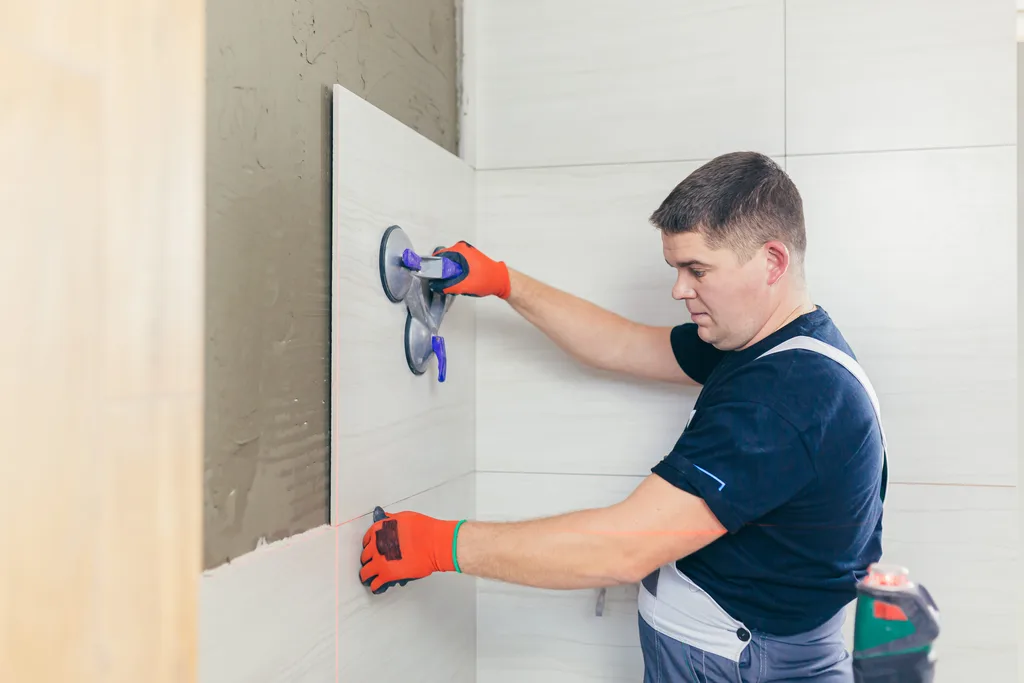
Tile Shower Installation in Grants Pass, OR
Get it all in a written contract. A good installer will happily talk about what’s behind the tile. A bad one wants to talk only about the tile itself.
Your installer checklist
| Ask about | Good answer |
| CCB license | A number you can look up yourself |
| Waterproofing | A specific system, explained clearly |
| Floor slope | About 1/4 inch per foot toward the drain |
| Who does the work | Their own crew, with the owner involved |
| Past showers | Photos and reviews of finished jobs |
| Contract | Written, with the lien notice before work starts |
| Payments | Tied to progress, not everything up front |
Start with the CCB number
In Oregon, this one’s simple. The Construction Contractors Board says a license is required for any business that advertises, offers or bids on construction or repair work. That includes tile.
Ask for the CCB number and look it up yourself on the CCB website. Search by number, or by business name if you don’t have one. An active license also means the contractor carries a surety bond and general liability insurance, which the CCB says give you some protection if problems come up later.
Ask what’s behind the tile
Here’s what a lot of homeowners don’t know. Tile is not a waterproof wall. Grout isn’t either. Water gets through both over time. What keeps your studs and subfloor dry is the waterproofing layer underneath.
That’s why the best question you can ask an installer is: what’s your waterproofing system, and how does it work at the corners, the niche, the bench and the drain? Those are the spots where leaks start. A good installer has a clear answer. Someone who shrugs and says “the tile handles it” is telling you everything you need to know.
The floor has to slope
Water has to go somewhere. The Ceramic Tile Foundation notes that the plumbing code requires a shower floor to slope 1/4 inch per foot toward the drain. It also points out that the waterproofing on a shower floor has to be sloped too, not just the tile on top.
Niches and benches get the same treatment. Under industry standards, horizontal ledges in a shower need to slope so water runs toward the drain. A flat bench is a bench that holds a puddle.
Who’s actually holding the trowel?
Ask this directly. Some companies sell the job and send whoever’s free. At South Oregon Tile, all our labor is done in-house by our own trained team. Nothing gets outsourced. Luke McCormick, the owner, is on site and personally signs off on every job.
The Ceramic Tile Foundation also recommends qualified labor, like a Certified Tile Installer, to avoid installation problems. Experience matters most in wet areas.
Pick the right tile for a shower
Tile choice affects more than looks. Porcelain is dense, water-resistant and works well on shower walls and floors, and it can look like stone, wood or concrete. Ceramic holds up well against moisture and staining. Glass is great as an accent strip or a niche detail. Natural stone, like marble, slate or travertine, looks stunning but needs proper sealing and upkeep.
On the floor, smaller tiles like mosaics are common in showers. All those grout lines give your feet better grip. Our Bathrooms page covers the options.
You can bring your own tile, or we can get quotes through our suppliers. Need help with grout? Read How to Choose the Right Grout Color for Your Tile Installation.
Get it in writing
The CCB requires a written contract for jobs above a certain size and recommends one for every project. They also say not to let work start until the contractor gives you the Information Notice to Owner About Construction Liens. And be careful about paying for everything up front. Partial payments as work gets done and inspected protect you.
Doing the whole bathroom?
A new shower often turns into a new bathroom. If you’re thinking about warm floors, plan them now: Heated Tile Floors in Bathrooms: What to Plan Before Installation. And whatever goes on the floor needs a solid base under it. See Subfloor Preparation for Tile: What Southern Oregon Homes Need Before Tile Goes Down. Our Floor Tile work covers the rest of the room.
Frequently asked questions
Does a tile installer need a license in Oregon?
Yes. The CCB requires a license for any business that advertises, offers or bids on construction or repair work. Look up the number on the CCB website.
Is tile waterproof in a shower?
No. Tile and grout let water through over time. A waterproofing layer underneath protects the walls and floor.
How much slope does a shower floor need?
The plumbing code calls for 1/4 inch per foot toward the drain, and the waterproofing on the floor has to be sloped too.
What tile is best for a shower floor?
Smaller tiles like mosaics give better grip because of the extra grout lines. Porcelain is dense and water-resistant.
Planning a new shower? South Oregon Tile has served Grants Pass and Josephine County for more than 15 years. Call 541-450-4657 for an estimate, look through our Gallery, read our Testimonials, or contact us.