Tile replacement cost in Oregon comes down to five things: the tile material, the condition of the substrate underneath, how much old material has to come out, the layout you pick, and the room the tile goes in. A ceramic backsplash and a large-format porcelain shower floor are different jobs with different labor, time, and material demands, which is the reason one published figure almost never matches the project sitting in front of you. This guide walks through each factor that moves the number up or down, so you can budget before the first tile is set. South Oregon Tile gives homeowners across Medford, Ashland, and Grants Pass a free, project-specific estimate.
What affects tile replacement cost in Oregon?
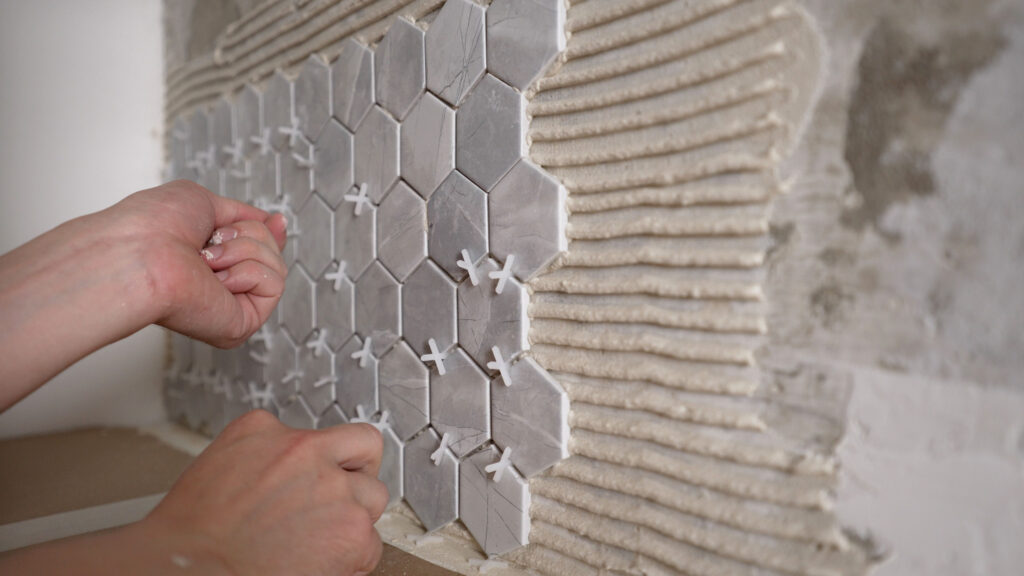
Tire Replacement and Installation
Tile replacement cost in Oregon is driven by material choice, substrate condition, removal labor, layout complexity, and room location. Oregon’s wet climate sits underneath most of these, because moisture in the subfloor adds preparation work that a drier region skips. The five sections below take each factor in turn, in the order an installer assesses them on site.
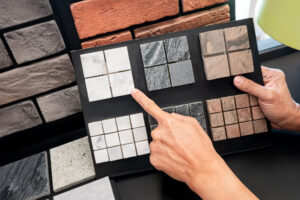
Tile material is the single largest cost factor, and it sets the floor for everything else in the quote. Ceramic sits at the low end. Glass sits at the top. The spread is wide because the material decides both the price of the tile itself and the skill the install demands.
| Tile type | Relative cost | Best fit |
| Ceramic | Lowest | Backsplashes and low-traffic floors |
| Porcelain | Moderate | Bathroom floors, kitchen floors, wet areas |
| Cement | Moderate to high | Statement floors that get sealed |
| Natural stone | High | Entryways and premium floors that get sealed |
| Glass | Highest | Accent walls, mosaics, and feature backsplashes |
The harder a material is to cut and set, the more labor it carries. Glass tile, for one, needs white epoxy mortar and precise back-buttering, because any shadow or ridge behind the tile shows straight through the face. Natural stone and cement carry an ongoing cost that ceramic and porcelain do not, since both need resealing on a schedule to keep moisture and stains out. In our Southern Oregon jobs, porcelain is the material we set most often for bathroom and kitchen floors, for one simple reason: it handles the moisture load and the foot traffic without the upkeep stone asks for.
Oregon’s wet winters leave moisture in the subfloor
Substrate moisture is the cost factor most people forget, and in Oregon it is the one most likely to surprise them. Wet winters leave concrete slabs and wood subfloors holding higher moisture for weeks at a time. Before any tile goes down, a qualified installer tests the substrate with ASTM F2170 in-situ relative humidity probes. Readings above 75% RH call for corrective work, and that work happens before a single tile is set.
Older homes around Medford, Ashland, and Grants Pass bring their own substrate issues. The fix depends on what the probe and the floor reveal, and it can run through several steps:
- Add cement backer board to give the tile a stable bonding surface.
- Apply a waterproofing membrane over seams and penetrations.
- Sister the floor joists where the framing has softened or sagged.
Each step adds labor before the install proper begins, which is why substrate repair is one of the larger swing factors in any Oregon quote. Skip it, and the tile bonds to a surface that fails the TCNA standard for a lasting set. A floor that fails that standard cracks, lifts, or telegraphs every flaw in the deck below within a season or two.
Pulling out old tile is its own line of labor
Old tile removal is a labor-intensive job that gets quoted separately from the new install. The cost depends on three things: the thickness of the old mortar bed, the adhesive that was used, and the state of the substrate once the tile is off. Epoxy adhesive is the worst of these to deal with, since it bonds harder and takes longer to break than standard thin-set, and that extra time lands in the labor figure.
Installers clear the old surface with floor scrapers, chisels, and grinding equipment, working slowly enough to protect the subfloor underneath. Rush the demo and you damage the deck, which turns a removal job into a substrate repair job. That is the order of operations that decides this part of your cost: remove clean, inspect, then set.
A straight-lay pattern carries the lowest layout cost
Layout complexity changes the labor cost more than most homeowners expect. A straight-lay pattern is the quickest and cheapest to set. Once you move into diagonal layouts, herringbone, and offset brick patterns, cutting time and material waste climb by 10 to 20 percent, because more tiles meet the wall at an angle and more get cut to fit.
Tile size pushes the figure too. Large-format tiles above 24 by 24 inches need a perfectly flat substrate, which usually means a coat of self-leveling compound before anything gets set. Custom mosaic work, feature walls, and decorative borders sit at the top of the layout scale, since each one needs hand-cutting and exact back-buttering, and the margin for error is small enough that the rate per square foot goes up to cover it.
Where the tile goes decides how much labor it takes
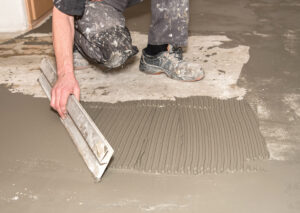
Room location changes the cost because wet areas carry a stricter standard than dry floors. Shower walls and wet-room floors cost more to tile than a standard floor, since the TCNA standard calls for 95% mortar coverage behind every tile in direct-water-contact areas, against 80% for a typical floor. Hitting that coverage takes more time and more care.
Installers also spend longer waterproofing the parts of a wet area that fail first: the seams, the inside corners, and every pipe or drain penetration. Get that wrong and moisture works its way behind the tile, where it grows mold against the substrate and forces a tear-out down the line. The dry floor in a bedroom and the wall of a walk-in shower are not the same job, even with the same tile, which is worth keeping in mind when you compare quotes room to room.
Which rooms cost the most to retile in Oregon?
Some rooms cost more than others, mostly because of square footage, water exposure, and the material the room demands. Here is how the common projects compare, from lowest typical cost to highest.
- Kitchen backsplash (20 to 40 sq ft) runs the most affordable, since the small area keeps the total down even with a premium tile like glass.
- Mudroom or entryway (30 to 80 sq ft) sits low to moderate, and dense porcelain or slate is the right call here for wet boots, tracked mud, and road grit through a long rainy season.
- Bathroom floor (50 to 100 sq ft) lands in the moderate range, with the correct spec being a tile rated above 0.42 COF (coefficient of friction) wet, per ANSI A137.1, so the floor stays safe when it gets splashed.
- Kitchen floor (100 to 200 sq ft) climbs with the larger area, and textured porcelain or slate with a PEI rating of 4 to 5 holds up to the traffic and spills a kitchen sees.
- Shower walls (60 to 120 sq ft) top the list, because the wet-area mortar coverage, the waterproofing, and the layout precision all stack onto the same job, and glass tile pushes it higher still.
The takeaway: a backsplash is a weekend-scale project, while a tiled shower is the most involved tile job in a typical home.
What hidden costs should Oregon homeowners expect?
A few costs surprise homeowners who have not tiled before, and three of them have nothing to do with the tile itself. Tile acclimation, expansion joints, and grout sealing each shape the timeline or the long-term budget.
Tile acclimation adds no dollar line, but it adds about 48 hours to the schedule. Tiles brought in from storage sit in the room first, adjusting to its temperature and humidity before they get set. Skip it, and the tile expands after install and cracks the grout.
Expansion joints are required every 20 to 25 feet in interior applications, per the TCNA Handbook. Oregon’s seasonal humidity makes tile expand and contract, and without a joint to absorb that movement, the grout takes the pressure and cracks. An installer who leaves the joints out saves you a little upfront and hands you a failure later.
Grout sealing and annual maintenance apply only to natural stone and cement tile. Stone needs resealing every 1 to 2 years to keep moisture and stains out, and that recurring task belongs in the long-term budget for either material from the start.
How to get an accurate tile replacement estimate in Southern Oregon
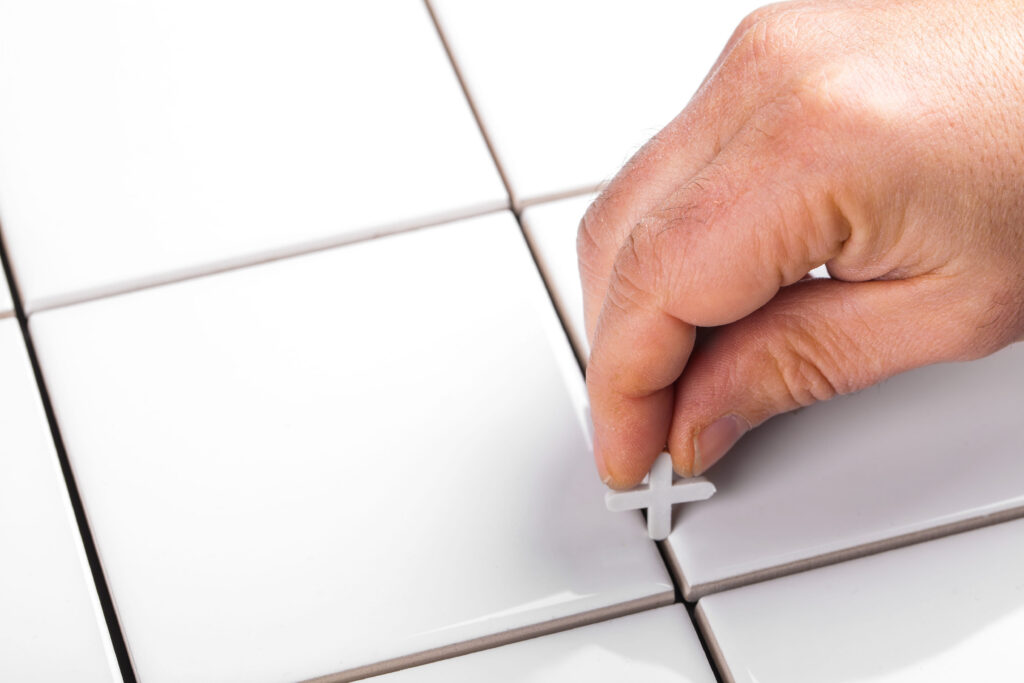
Tile Installation Done By A Professional in OR
The most accurate way to budget a tile project is to have an installer assess the substrate, measure the space, and price the exact material and layout you want. Published ranges give you a starting frame. Substrate repairs, removal complexity, and pattern choices move the real figure in ways a general guide cannot predict for your specific floor.
South Oregon Tile provides free tile replacement estimates for homeowners in Medford, Ashland, Grants Pass, and the surrounding Southern Oregon communities. Contact the team for a project-specific assessment before your replacement begins.
Frequently Asked Questions
Can I install new tile directly over my old tile to save money?
Tile-over-tile is technically possible with the right bonding primer, but in Oregon, it is the wrong call. The method adds weight to your floor joists and raises the floor height, which creates a trip hazard at doorways. Worse, it hides moisture damage or mold in the subfloor, so a full tear-out remains the safer choice for your home’s structure in a damp climate.
How long does a tile replacement project take in Southern Oregon?
A standard bathroom floor of 50 to 80 sq ft usually takes 3 to 5 days: one day for demolition and substrate prep, one to two days to set the tile, and a final day for grout and sealing. Oregon’s humidity calls for strict cure times on thin-set and waterproof membranes, and walking on the floor or grouting too early leads to loose tiles and cracked grout lines.
What is the best grout for Oregon’s wet climate?
The best grout for Oregon’s wet climate is high-performance epoxy, or a high-quality cementitious grout with an integrated sealer. Epoxy grout is non-porous, which makes it highly resistant to mold and mildew, and it never needs resealing once it cures. It costs more to install and is harder to work with, and in return it gives you a near-waterproof barrier that protects the subfloor underneath.