Picking tile for an Oregon home is a different job than picking it for Arizona or Georgia. Down here the climate is coastal-influenced: wet winters, mild summers, and humidity that swings between 60 and 80 percent with the seasons. Whatever goes on your floors and walls has to live with that. Looking good under showroom lights counts for nothing if it cannot take a Southern Oregon February. Below are the five materials that actually hold up here, where each one belongs, and the things worth settling before anyone starts setting tile. South Oregon Tile helps homeowners match the right floor and wall material to the room it is going in.
What Is Tile Installation?
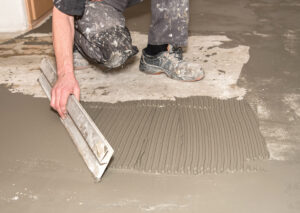
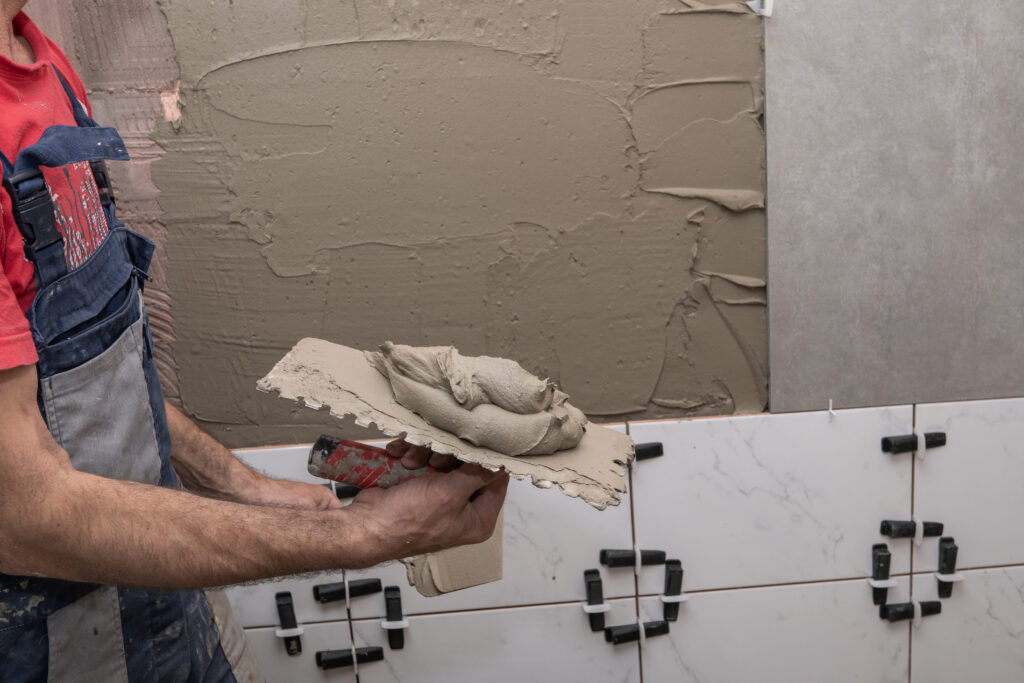
Tile installation bonds rigid tile units to floor and wall surfaces using mortar, adhesive, and grout. The units come in porcelain, ceramic, natural stone, glass, or cement. Two steps come first, and they matter more than people think: selecting the tile, then prepping the surface for flatness and moisture resistance. Get the prep wrong and the nicest tile in the showroom still fails, because it is only ever as good as the deck under it.
Tile Installation on the Wall
Why Oregon homes need climate-specific tile installation
Oregon homes need an installation method built around three conditions: high seasonal humidity, freeze-thaw cycles in higher-elevation spots like Medford and Ashland, and moisture-prone substrates found in older construction. The TCNA Handbook for Ceramic, Glass, and Stone Tile Installation is the standard that certified installers work to, and it calls for expansion joints every 20 to 25 feet in interior runs. That rule earns its keep here. Tile pulls in moisture and expands, and Oregon hands it plenty to pull in.
Which tile materials are used in Oregon floor and wall installations?
Five materials handle Oregon floor and wall installations: porcelain, ceramic, natural stone, glass, and cement. Each one carries a different water absorption rate, hardness rating, and moisture performance, and in a damp Pacific Northwest climate those numbers decide where it can go. The profiles below run them from the most water-resistant floor tile down to the one that asks for the most upkeep.
Porcelain Tile
Porcelain is the most moisture-resistant tile material you can put in an Oregon home. It is fired above 2,200°F, which leaves a water absorption rate below 0.5%, the ANSI A137.1 mark for vitreous tile. That density is why it belongs on the floor in Oregon bathrooms, laundry rooms, mudrooms, and anywhere that stays damp.
It also plays well with radiant floor heating, which a lot of homeowners around here add to beat the cold-underfoot feeling through a wet winter. Porcelain’s thermal conductivity runs far above carpet or vinyl, so the heat moves up into the room instead of getting stuck in the layer below.
Why I Like Porcelain Tile
Porcelain is the safest all-around pick for Southern Oregon, full stop. It runs a little above ceramic, and it earns that back over decades of wet winters without giving you trouble. When a homeowner tells me they want one floor that handles everything and never thinks about it again, this is what I set.
Ceramic Tile
Ceramic absorbs 3 to 7% water, which lands it in the semi-vitreous class under ANSI standards. It does its best work in low-moisture spots: kitchen backsplashes, living-room accent walls, dry bathroom walls where water rarely hits it head-on.
The problem in Oregon is moisture cycling. Higher porosity means ceramic takes on water, and the constant expand-and-contract of a Pacific Northwest winter can crack the grout, break the bond, and finish the tile off. So keep it off shower floors, off exterior runs, and out of anywhere freeze-thaw can reach.
Why I Like Ceramic Tile
Cheap to buy, easy to cut, and a quiet workhorse on walls and decorative surfaces. Ceramic does the job as long as you keep it away from rooms that stay wet or swing hard in temperature.
Natural Stone Tile
Slate, travertine, granite, and marble all sit under the natural stone label, and the category brings real resale value while fitting the Pacific Northwest look. Slate and granite handle wet rooms best, thanks to low porosity and high Mohs hardness, slate at 3 to 4 and granite at 6 to 7. Marble and travertine are the lookers of the group and the divas too, since they etch under acidic cleaners, soak up moisture without regular sealing, and scratch in busy areas.
Stone in Oregon comes with two standing demands. Seal it every 1 to 2 years against moisture and staining. Build it on a substrate twice as rigid as ceramic or porcelain would need, per the TCNA Handbook, because the stiffer deck is what keeps the stone from cracking down the line.
Why I like natural stone tile
Slate and granite, set right and kept sealed, give a floor a depth and a long-term value that not much else touches. The catch is the maintenance. If a client wants that look and is honest with themselves about the sealing schedule, stone is a material I will stand behind every time.
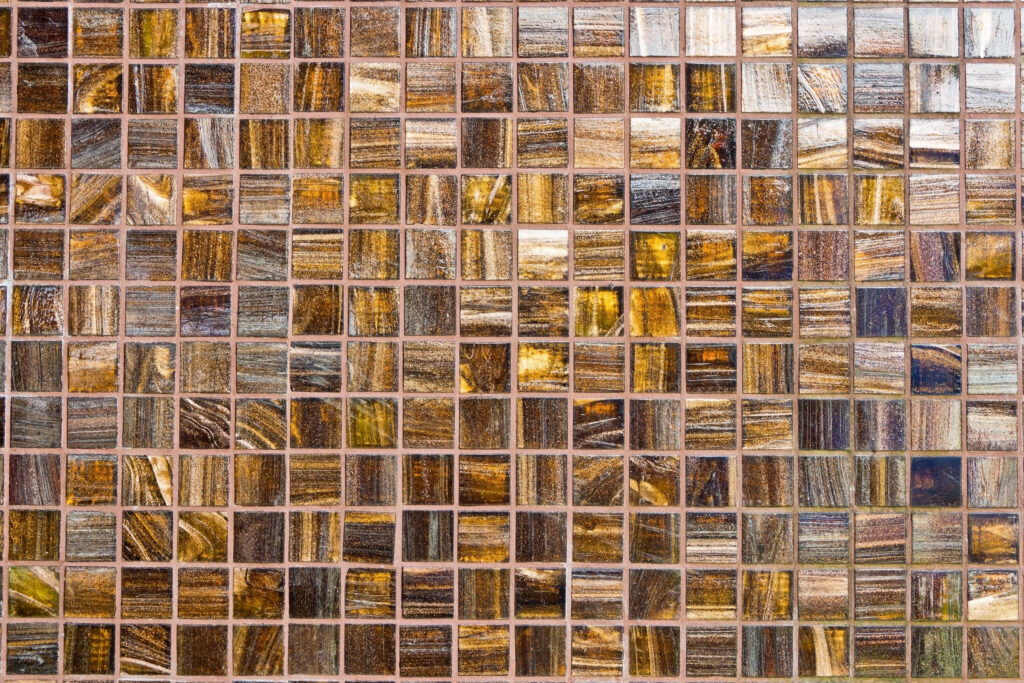
Mosaic Tile In Oregon
Glass Tile
Glass is non-porous, with 0% water absorption, which on paper makes it the most moisture-resistant option going for Oregon shower walls and kitchen backsplashes. It shrugs off stains, ignores humidity, and holds its color under constant water. The trade-off is the install. Glass needs white epoxy mortar, since standard gray shows straight through the face, plus careful back-buttering for 95% mortar coverage, a dead-flat substrate so the surface does not distort, and the patience to wait out slower set times.
Why I Like Glass Tile
For throwing light, depth, and color into a feature wall or a backsplash in a wet room, glass is hard to beat. The whole thing rides on the install being clean.
Cement Tile
Cement tile is handmade and known for its bold patterns, but it is porous and prone to moisture absorption without proper sealing, which makes it a high-maintenance choice for Oregon’s wet climate. It is best suited for dry interior areas like living room floors, fireplaces, or entryway areas where its unique patterns create visual appeal. Cement tile requires pre-sealing before grouting, sealing after installation, and re-sealing annually in humid environments. Skip it for bathrooms, exterior use, or consistently wet environments in Southern Oregon.
Why I Like Cement Tile
Cement tile is unmatched for design character and customization, but it’s a material I only recommend when the client understands the maintenance commitment and the installation is kept away from moisture-heavy areas.
What affects tile installation cost in Oregon?
Tile installation cost in Oregon starts with the material, then climbs with the complexity of the job: diagonal patterns, mosaic layouts, large-format tiles above 24 by 24 inches, the cutting and precision they demand, subfloor prep, and where in the state the crew is working. The table below ranks the five materials by relative material cost and points each at the Oregon rooms it fits. For the full set of variables behind a quote, read what affects tile replacement cost in Oregon.
| Tile material | Relative material cost | Best Oregon application |
| Ceramic | Lowest | Backsplashes, dry interior walls |
| Cement | Moderate | Dry entryways, accent floors |
| Porcelain | Moderate | Bathrooms, mudrooms, kitchen floors |
| Natural stone (slate/granite) | High | Living areas, shower walls |
| Glass | Highest | Shower walls, kitchen backsplashes |
Ask South Oregon Tile for a free estimate built around your actual space.
What Are the Most Common Tile Applications in Oregon Homes?
Four rooms account for most Oregon tile work: bathroom floors, shower walls, kitchen floors and backsplashes, and mudroom or entryway floors. Each one sets its own spec around water exposure and foot traffic.
- Bathroom floors want a PEI rating of 3 or higher, a wet COF (coefficient of friction) above 0.42 per ANSI A137.1, and grout joints sealed so moisture never reaches the subfloor.
- Shower walls need non-porous tile at 95% mortar coverage per TCNA standards, up from the usual 80%, because the water never quits in there.
- Kitchen floors do well on textured porcelain or slate rated PEI 4 to 5, since the room stacks heavy traffic on top of regular spills.
- Mudroom and entryway floors take the worst beating in the house from wet boots, tracked mud, and road grit, so dense porcelain or slate with a textured finish is the move for grip and stain resistance.
What Are the Challenges of Tile Installation in Oregon’s Climate?
Three conditions make an Oregon install tougher than a dry-climate one: substrate moisture, adhesive curing time, and tile acclimation. Substrate moisture is the big one. Wet winters leave concrete slabs and wood subfloors holding water for weeks, and tile set over a damp deck loses bond strength and starts cracking grout long before it should.
ASTM F2170 in-situ relative humidity testing is the professional read here, and anything above 75% RH means corrective work before a single tile goes down. Acclimation matters more here than it does out in the dry states, too. Tiles brought in from storage sit in the room for at least 48 hours and settle to its temperature and humidity, so they do not expand and crack the grout after the job is already finished.
Conclusion
In Oregon, the material you choose is a performance call as much as a design one. Porcelain is the most reliable pick for wet, high-traffic rooms across Southern Oregon. Ceramic holds its own on dry interior surfaces but quits where moisture is constant. Natural stone brings character and value, with strict substrate prep and a real sealing schedule as the cost of entry. Glass and cement each shine in the narrow spots their properties suit, and nowhere else. Choose the tile well, set it over proper prep with the right expansion joints, and it runs 20 to 30 years in Oregon conditions. Planning a project in Southern Oregon? Reach out to South Oregon Tile for material recommendations matched to your space.