Breakage or weak tile adhesion is a common problem in Oregon homes, specifically in bathrooms, kitchens, and entryways. The main cause behind this is moisture entry, which is due to unsealed grouts. When moisture enters grout lines, it damages the bond underneath. However, you can protect your grout tiles through proper sealing. You can understand completely how to seal grout and types of grout sealers through this blog post.
How to Seal Grout and Protect Oregon Tile from Moisture Damage
To seal grout and protect tile from moisture damage, clean grout thoroughly before sealing, let grout dry completely, apply grout sealer evenly using the correct tools, and remove excess sealer from the tile surface. You should also perform a water absorption test to make sure the moisture protection barrier is working properly.
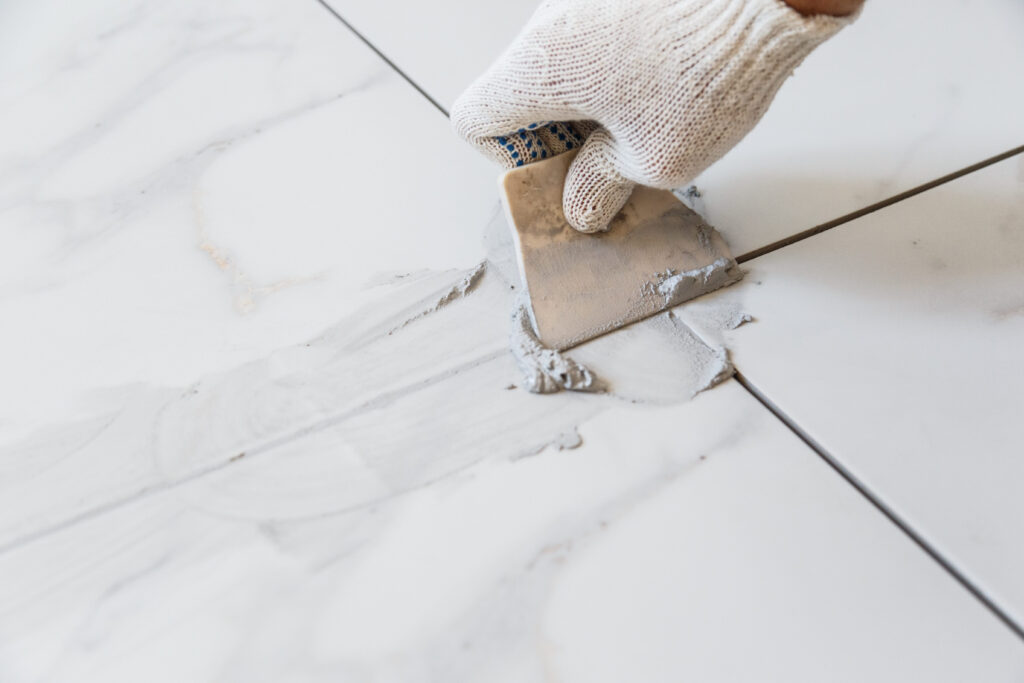
Picking The Right Grout Is Important
This sealing will protect tiles in bathrooms, kitchens, and other high-humidity areas from water absorption and mold growth, resulting in long-term tile durability.
Sealing grout and protecting tile from moisture damage involves the steps explained below.
Step 1: Clean Grout Thoroughly Before Sealing
Clean grout thoroughly before sealing by using a pH-neutral cleaner and a stiff nylon grout brush, and remove soap residue, grease, and embedded dirt that traps contaminants inside the grout surface. You must remove even the small particles from the grout pores so that the sealer can penetrate deeply and form an effective barrier against water damage.
Step 2: Let Grout Dry Completely
Let the grout dry completely after deep cleaning or installation for almost 48 to 72 hours. This step is important because damp grout can reduce moisture-blocking efficiency, cause uneven sealing, and create weak protection zones.
Step 3: Apply Grout Sealer Evenly Using Correct Tools
Apply penetrating grout sealer evenly using correct tools like an applicator bottle, a small brush, and a foam roller. These tools will improve precision for tight joints and larger tiled areas. This sealer will block water absorption in grout pores, increase resistance against stains from food, oil, and spills, and prevent moisture penetration that leads to mold growth.
Step 4: Remove Excess Sealer from Tile Surface
Remove excess sealer from tile with a clean microfiber cloth to prevent haze and residue buildup on tiles. This removal will ensure the sealer stays concentrated inside grout lines and maintains a clean tile finish with a shining surface.
Step 5: Perform Water Absorption Test
Perform a water absorption test to determine whether sealing has been successful or not. You just have to place a few drops of water on sealed grout and observe. Sealing and moisture protection are effective if water beads on the surface. However, your grout sealing needs an additional layer if water absorbs into the grout.
When to Seal Grout for Best Moisture Protection
You should seal grout for the best moisture protection after doing a new tile installation, after deep grout cleaning, and when water stops beading on the grout surface. Sealing of grout is also required in high-moisture areas, the kitchen, and backsplashes. There are several other conditions where a grout seal is required, like when grout starts darkening or changing color, when mold or mildew appears in grout lines, and before rainy or high-humidity seasons.
How Grout Sealing Protects Against Moisture Damage
Grout sealing protects against moisture damage by creating a protective barrier inside grout pores. Water or moisture can easily penetrate if the grout is not sealed with a proper grout sealer. At the same time, cement-based grouts are naturally porous, and moisture can easily enter untreated grout lines. This moisture penetration weakens the tile’s installation over time by loosening tile adhesion and damaging the underlying structure.
However, sealing grout at the right time can protect against moisture damage in different ways. The grout sealer will prevent water penetration below tile surfaces and reduce weakening of grout joints over time. This sealing also improves long-term tile durability in wet environments and maintains overall structural stability in bathrooms, kitchens, and entryways.
Types of Grout Sealers and Which One Works Best
Grout sealers come in different types, like penetrating sealers, topical sealers, and color-sealing grout sealers, with each providing a different level of moisture protection. You can choose the right type of grout sealer by understanding these types and the environmental conditions where it will be applied.
Penetrating Sealers
Penetrating sealers are the type of grout sealers that penetrate deep into the grout pores and create an invisible barrier to prevent moisture entrance. These sealers provide long-term moisture protection by blocking water absorption inside grout structure, reducing mold and mildew growth in wet areas, and improving resistance against kitchen oil and bathroom product stains.
Topical Sealers
Topical sealers are another type of grout sealers, which do not penetrate deeply and form a protective layer on the surface of grout. This sealing type provides short-term protection against spills and stains but is used for urgent protection from moisture penetration. The protective layer of topical sealers gradually breaks down with water exposure and foot traffic due to its shorter lifespan and reduced performance in moist areas.
Color-Sealing Grout Sealers
This type of grout sealer protects grout from moisture penetration and restores or changes grout color at the same time. Color sealers make a protective surface layer combined with pigment technology and block stains to improve the visual appearance of grout lines.
Frequently Asked Questions
How long should grout dry before sealing?
Grout should dry for 48 to 72 hours for maximum effectiveness of sealing. Moisture will be trapped inside the grout pores if sealing is done too early.
How often should grout be resealed?
You should reseal your grout after every 6 to 12 months in showers and bathrooms, 1 to 2 years in kitchens and floors, and 2 to 3 years in low-traffic areas.
Does sealing grout make it waterproof?
No, sealing grout does not make it completely waterproof. It only makes it water-resistant and slows down moisture absorption and prevents staining and mold growth.
What type of grout sealer works best in bathrooms and showers?
Penetrating or impregnating sealers show the best results in wet areas because they absorb into grout pores and block them. They don’t allow the moisture to enter under the tiles and enhance their durability.
Contact us today to get your tile and grout needs taken care of!