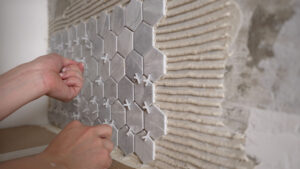
Choosing tile for an Oregon home is not the same as choosing tile for a home in Arizona or Georgia. Southern Oregon deals with a coastal-influenced climate, such as wet winters, mild summers, and humidity levels that range between 60 and 80 percent seasonally. The materials you install on your floors and walls need to handle that reality, not just look good on a showroom shelf. This guide breaks down the main tile materials best for Oregon homes, where each one works, and what to consider before installation. South Oregon Tile offers the best floor and wall material choices for tile installation in Oregon.
What Is Tile Installation?
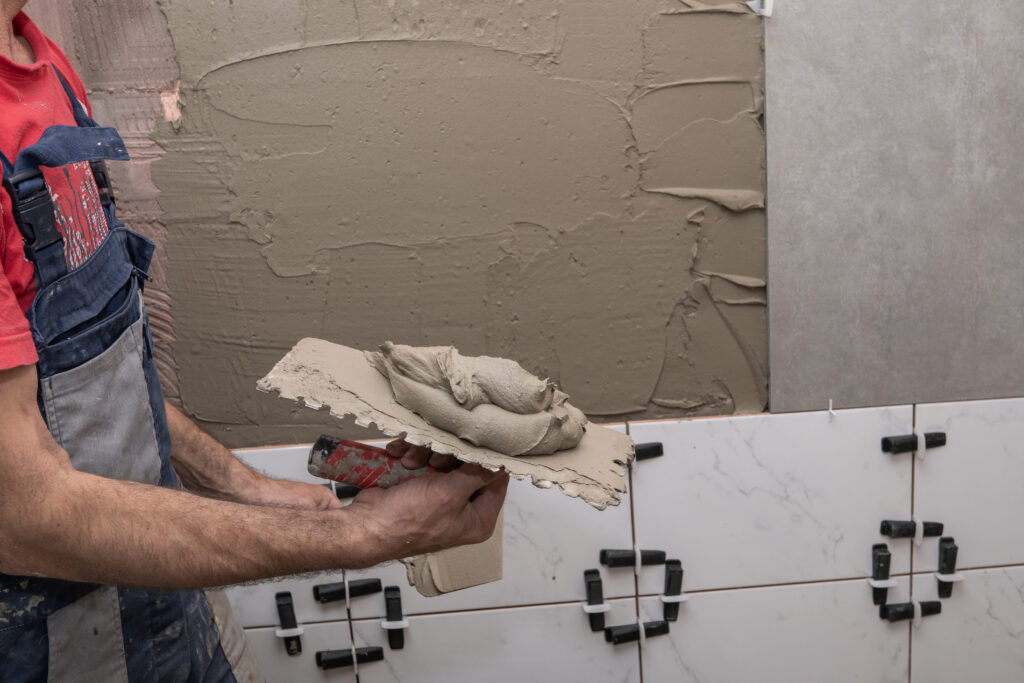
Tile installation is a multi-step construction process that bonds rigid tile units, which can be ceramic, porcelain, natural stone, or other materials, to floor and wall surfaces using mortar, adhesive, and grout. This process follows tile selection and surface preparation, which focuses on substrate flatness and moisture resistance before any tile is laid.
Tile Installation on the Wall
Tile Installation in Oregon
Oregon homes require tile installation methods that account for 3 specific environmental conditions, which are high seasonal humidity, freeze-thaw cycles in higher-elevation areas like Medford and Ashland, and moisture-prone substrates common in older construction. The TCNA Handbook for Ceramic, Glass, and Stone Tile Installation, which is the industry standard referenced by certified installers, requires expansion joints placed every 20 to 25 feet in interior applications. This rule is important to follow in Oregon’s climate, where tile expansion from moisture absorption is a real issue.
Which Tile Materials Are Used in Oregon Floor and Wall Installations?
The tile materials used in Oregon floor and wall installations are porcelain, ceramic, natural stone, glass, and cement tile. Each material has different absorption rates, hardness ratings, and moisture performance, all of which matter in a humid Pacific Northwest climate.
Porcelain Tile
Porcelain tile is the most moisture-resistant tile material available for Oregon homes. It is fired at temperatures above 2,200°F, which produces a water absorption rate below 0.5% and is the ANSI A137.1 standard for vitreous tile. Its high density makes it the correct choice for Oregon bathrooms, laundry rooms, mudrooms, and any floor that sees consistent moisture exposure.
Porcelain also works well with radiant floor heating systems, which many Oregon homeowners add to counteract the cold-underfoot feeling during wet winters. Its thermal conductivity is much higher than carpet or vinyl, so heat transfers efficiently from the underneath layer to the room surface.
Why I Like Porcelain Tile
Porcelain is the safest all-around tile choice for Southern Oregon, and despite the slightly higher cost than ceramic tile, $3 to $10 per square foot for porcelain versus $1 to $5 for ceramic, it is highly durable for decades to come in the Oregon climate.
Ceramic Tile
Ceramic tile has a water absorption rate of 3 to 7%, which classifies it as semi-vitreous under ANSI standards. It performs well in low-moisture interior applications such as kitchen backsplashes, living room accent walls, and dry bathroom walls where direct water contact is minimal.
A limitation of ceramic tile in Oregon conditions is moisture cycling, which makes it less suitable for exterior installations, shower floors, or areas exposed to freeze–thaw conditions. Its higher porosity means it absorbs moisture, and repeated expansion and contraction from Oregon’s winter temperature swings can lead to grout cracking, loss of bond, and eventual tile failure.
Why I Like Ceramic Tile
Ceramic is a cost-effective, easy-to-cut material that works extremely well for vertical surfaces and decorative applications, as long as it’s kept out of consistently wet or temperature-volatile environments.
Natural Stone Tile
Natural stone tile, which includes slate, travertine, granite, and marble, adds high resale value to Oregon homes and suits the Pacific Northwest’s design aesthetic well. Slate and granite perform the strongest in wet environments because of their low porosity and high hardness ratings on the Mohs scale, with slate at 3 to 4 and granite at 6 to 7. Marble and travertine are beautiful but require more maintenance due to their softness, as they etch from acidic cleaners, absorb moisture without regular sealing, and scratch more easily in high-traffic areas.
Natural stone installations in Oregon require structural maintenance and sealing every 1 to 2 years to prevent moisture infiltration and staining. The TCNA Handbook adds a requirement for its installation that the substrate must be twice as rigid as it would need to be for ceramic or porcelain, which adds cost to the installation but prevents cracking.
Why I Like Natural Stone Tile
Natural stone, especially slate and granite, delivers amazing visual depth and long-term property value when properly installed and maintained. It balances durability with a natural aesthetic that fits Oregon homes well.
Mosaic Tile In Oregon
Glass Tile
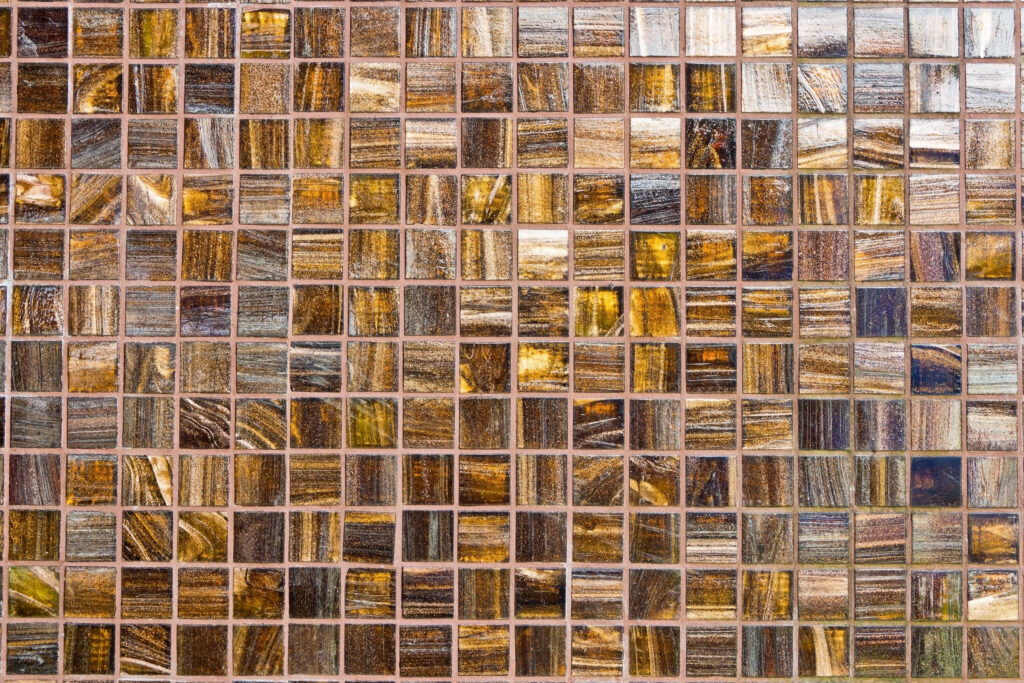
Glass tile is a non-porous wall material with 0% water absorption, which technically makes it the most moisture-resistant option for Oregon shower walls and kitchen backsplashes. It resists staining, does not absorb humidity, and retains color under constant moisture exposure. The practical challenge is installation difficulty, as the glass tile requires white epoxy mortar (standard gray mortar shows through), precise back-buttering for 95% mortar coverage, strict substrate flatness to avoid visual distortion, and slower setting times.
Why I Like Glass Tile
Glass is one of the best materials for adding light, depth, and color to a space and it performs exceptionally well when installed correctly for feature walls and backsplashes in wet areas.
Cement Tile
Cement tile is handmade and known for its bold patterns, but it is porous and prone to moisture absorption without proper sealing, which makes it a high-maintenance choice for Oregon’s wet climate. It is best suited for dry interior areas like living room floors, fireplaces, or entryway areas where its unique patterns create visual appeal. Cement tile requires pre-sealing before grouting, sealing after installation, and re-sealing annually in humid environments. Skip it for bathrooms, exterior use, or consistently wet environments in Southern Oregon.
Why I Like Cement Tile
Cement tile is unmatched for design character and customization, but it’s a material I only recommend when the client understands the maintenance commitment and the installation is kept away from moisture-heavy areas.
What Does Tile Installation Cost in Oregon?
The cost of tile installation in Oregon depends on the choice of tile material, installation complexity, such as diagonal patterns, mosaic layouts, or large-format tiles above 24×24 inches, cutting time and precision, subfloor preparation needs, labor cost per square foot, and the specific location within the state.
The following table shows the material cost of different types of tiles, while the actual installation cost depends on various other factors. You can request a free estimate of tile installation cost from South Oregon Tile.
| Tile Material | Approx. Material Cost (per sq ft) | Best Oregon Application |
| Porcelain | $3 – $10 | Bathrooms, mudrooms, kitchen floors |
| Ceramic | $1 – $5 | Backsplashes, dry interior walls |
| Natural stone (slate/granite) | $5 – $20 | Living areas, shower walls |
| Glass | $7 – $30 | Shower walls, kitchen backsplashes |
| Cement | $5 – $15 | Dry entryways, accent floors |
What Are the Most Common Tile Applications in Oregon Homes?
The most common tile installation applications in Oregon homes are bathroom floors, shower walls, kitchen floors and backsplashes, and mudroom or entryway floors. Each location has different material requirements based on water exposure and foot traffic.
- Bathroom floors require tile with a PEI (Porcelain Enamel Institute) rating of 3 or higher, a COF (coefficient of friction) wet rating above 0.42 per ANSI A137.1, and grout joints sealed to prevent moisture penetration into the subfloor.
- Shower walls need non-porous tile with 95% mortar coverage per TCNA standards, this requirement increases to 95% from the standard 80% because direct water exposure is constant.
- Kitchen floors in Oregon benefit from textured porcelain or slate with PEI ratings of 4 to 5, as kitchen floors handle both heavy foot traffic and frequent spills.
- Mudroom and entryway floors face the highest wear and tear in Oregon homes due to wet boots, tracked-in mud, and road debris. Dense porcelain or slate with a textured surface finish resists both slipping and staining in these entry points.
What Are the Challenges of Tile Installation in Oregon’s Climate?
Oregon’s climate introduces 3 installation challenges that are substrate moisture content, adhesive curing time, and tile acclimation requirements.
Substrate moisture is the biggest challenge in tile installation, as Oregon’s wet winters cause concrete slabs and wood subfloors to retain higher moisture levels for longer periods. Installing tile over a damp substrate weakens adhesive bond strength and speeds up grout cracking.
ASTM F2170 in-situ relative humidity testing of the substrate is the professional standard, where moisture readings above 75% RH require corrective action before tile installation begins.
Tile acclimation matters more in Oregon than in dry climates, as tiles brought in from storage need to sit in the installation space for a minimum of 48 hours to adjust to the room’s temperature and humidity before being set. Skipping this step causes post-installation expansion and grout cracking as the tile adjusts after the job is complete.
Conclusion
Tile installation in Oregon requires careful material choices as much as an aesthetic one. Porcelain is the most reliable choice for wet and high-traffic applications across Southern Oregon’s climate. Ceramic works well in dry interior spaces but should not be used where moisture is a regular factor. Natural stone adds character and value but demands strict substrate preparation and consistent sealing. Glass and cement tiles are used in particular applications where their qualities are perfectly suited. The right tile, correctly installed with proper substrate preparation and expansion joints, performs for 20 to 30 years in Oregon conditions. If you are planning a tile project in Southern Oregon and want material recommendations specific to your space, reach out to the team at South Oregon Tile for a consultation.